Location >>
 Date:2026-04-17
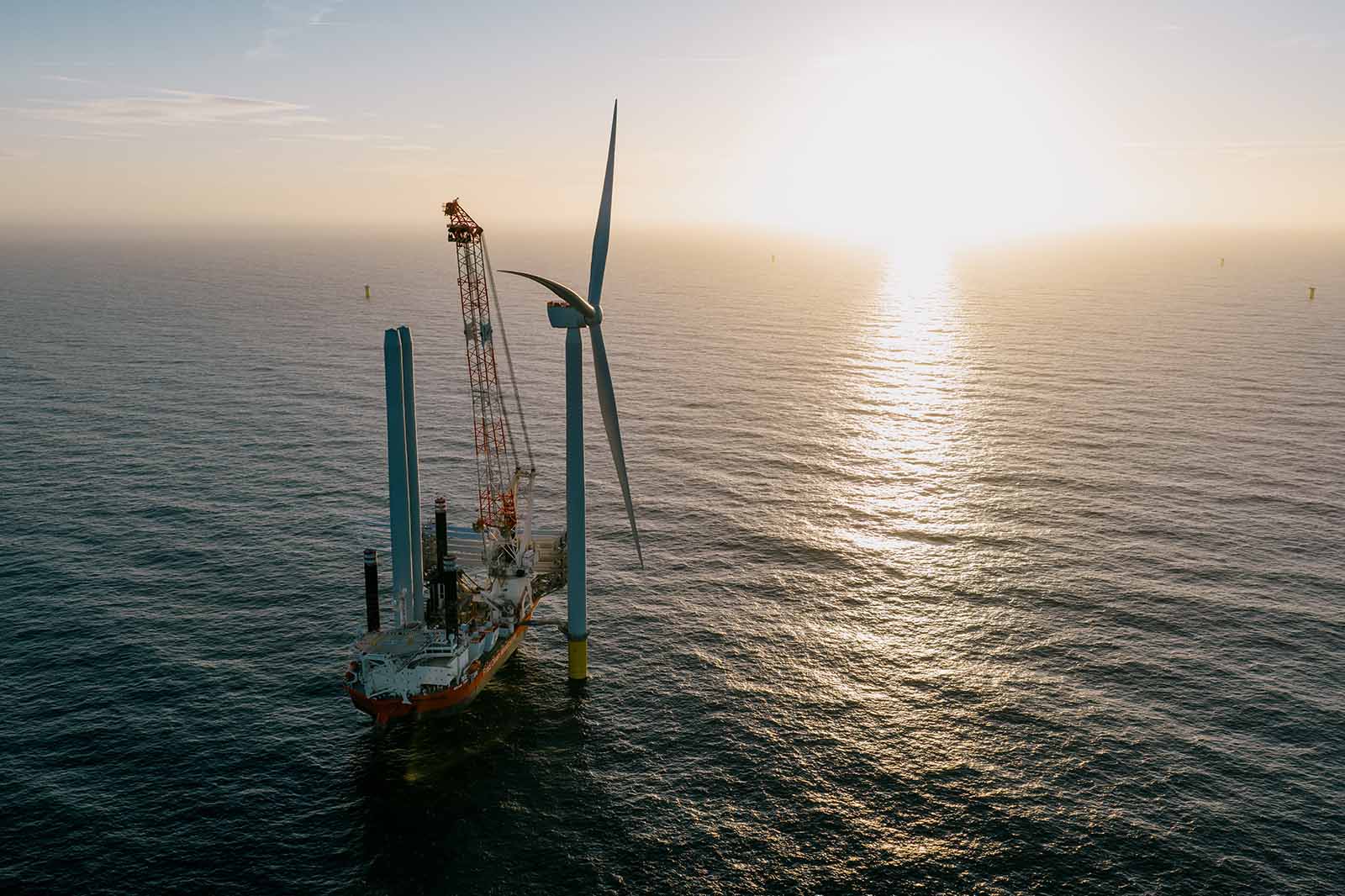
Recent developments from RWE and Siemens Gamesa mark a significant step forward for the wind industry. The companies have introduced one of the world’s first wind turbines featuring a CO₂-reduced steel tower and fully recyclable rotor blades—highlighting a shift toward truly sustainable, full-lifecycle wind energy solutions.
Why this matters
As wind power scales globally, the focus is no longer only on generation capacity—but also on materials, circularity, and lifecycle impact. Innovations like recyclable blades and low-carbon steel are helping address long-standing challenges around turbine decommissioning and emissions across the value chain.
This signals a broader industry transition toward:
• Circular wind energy systems
• Low-carbon manufacturing and supply chains
• Stronger ESG alignment for developers and investors
At the same time, these advancements reinforce wind energy’s position as a future-proof, investment-ready sector, particularly as governments and corporations accelerate decarbonization targets.
What it means for ASEAN
For Southeast Asia, where wind energy is still scaling, such innovations provide valuable reference points for next-generation project development—from technology selection to sustainable infrastructure planning.
At AWE – ASEAN Wind Energy Expo, we are committed to bringing these global innovations closer to the regional market by showcasing:
• Next-gen wind turbine technologies
• Sustainable materials & circular solutions
• Hybrid renewable systems (Wind + Solar + Storage)
• Investment and grid integration opportunities
As the industry evolves, collaboration across markets will be key to unlocking wind energy’s full potential.
Join us in Southeast Asia to explore what’s next for wind energy.
#WindEnergy #RenewableEnergy #EnergyTransition #Sustainability #OffshoreWind #CleanEnergy #ASEAN #AWE2026 #NetZero